
2026-09-04 · Evan Voss
Dealing with Storm-Related Water Intrusion in South Lexington
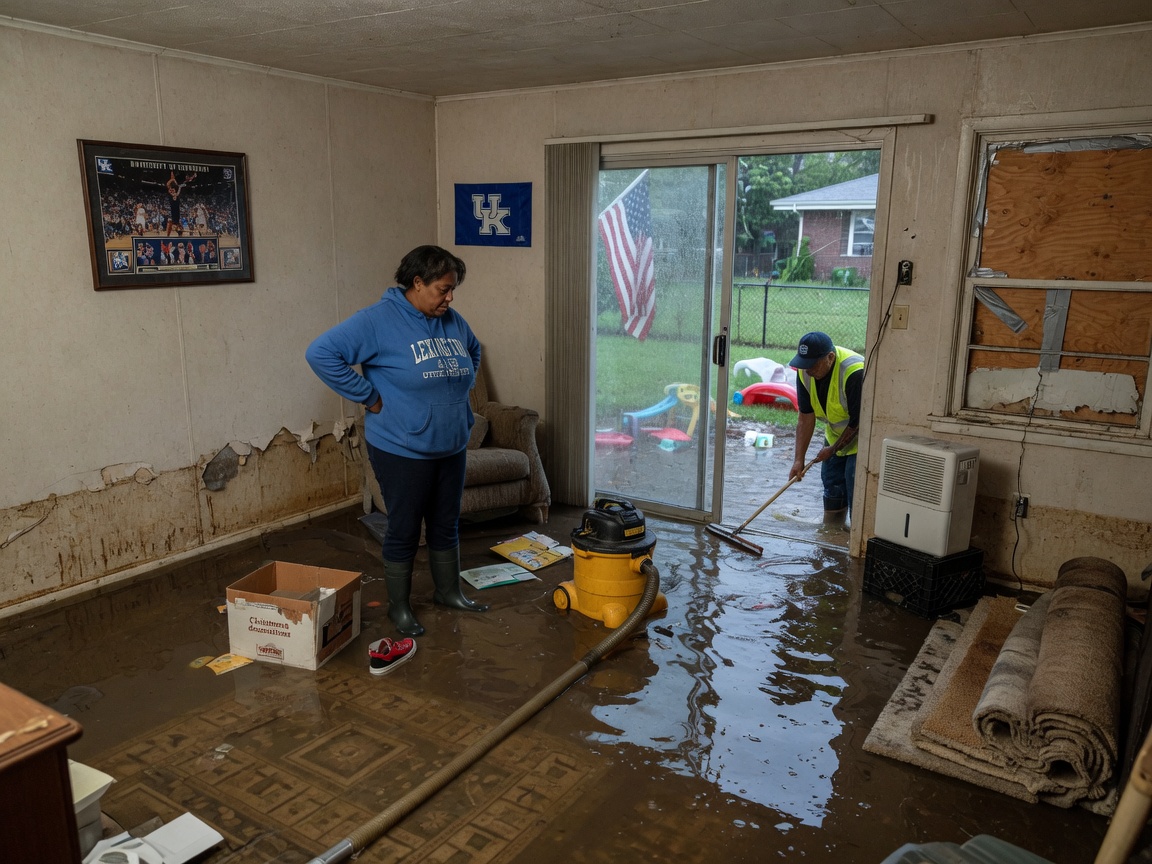
Storm-related water intrusion in South Lexington often begins with roof leaks or foundation seepage after intense summer downpours, and the first step is to stop the source while documenting visible water lines on drywall and floors before any cleanup starts.
Identifying Storm Entry Points in South Lexington Housing
South Lexington neighborhoods such as Southland and Chevy Chase contain many homes built between the 1950s and 1980s with brick or frame construction on crawl spaces or slabs. Heavy rain funnels along the rolling terrain near the Kentucky Horse Park and into low spots around foundations, especially where grading has settled over decades. Mild winters reduce freeze-thaw cycles but allow repeated saturation that softens soil around older footings. Homeowners notice water first along baseboards in finished basements or at seams in hardwood floors. Checking attic vents and chimney flashing after each storm reveals the most common roof entry points in these properties.
Immediate Containment and Extraction Steps
Once water appears, isolate affected rooms by moving furniture away from walls and shutting off power to wet areas if outlets are near standing water. Use shop vacuums or submersible pumps to remove bulk water within the first hours, focusing on the lowest points in Southland crawl spaces where moisture lingers longest. Open windows on dry days to begin airflow, but avoid this during ongoing rain. Document every step with photos that include timestamps and measurements of water depth. These actions reduce the chance that moisture migrates into adjacent rooms or up into subfloors common in Chevy Chase homes.
Drying Methods That Match Local Conditions
Fayette County summers bring high humidity that slows natural evaporation, so professional equipment such as air movers and dehumidifiers must run continuously for several days after extraction. Place sensors in wall cavities and under flooring to track moisture levels rather than relying on surface touch alone. In Beaumont and Hamburg areas, slab homes require perimeter drying because water travels under the concrete and reappears weeks later. Storm damage restoration crews adjust equipment placement based on each home's insulation type and the season's humidity readings. Consistent monitoring prevents mold growth that thrives in the region's warm, moist air.
When to Call for Structural Drying Support
If water has reached more than one room or has sat for over 24 hours, structural drying services become necessary to pull moisture from framing and subfloors. Older Lexington homes often have plaster walls that hold water differently than modern drywall, requiring slower, lower-heat drying to avoid cracking. Water damage restoration teams use moisture meters at multiple depths to confirm that levels return to the 10-12 percent range typical for local lumber. Homeowners in South Lexington can review progress reports that include daily readings and equipment placement diagrams. This documentation also supports insurance claims for storm events.
Long-Term Prevention After the Storm Passes
Once the space is dry, inspect and improve grading around the foundation so water flows away from the house rather than pooling near Southland basements. Clean gutters and downspout extensions regularly, especially before the next heavy rain season. Signs of hidden water damage in older Lexington homes outlines common indicators that appear months later in attics or behind cabinets. Scheduling a follow-up visit after the first post-storm drying cycle catches any residual moisture that could affect hardwood floors or trim in Chevy Chase properties.