
2026-09-04 · Evan Voss
Handling Sewage Backup in Lexington Homes Near Older Sewer Lines
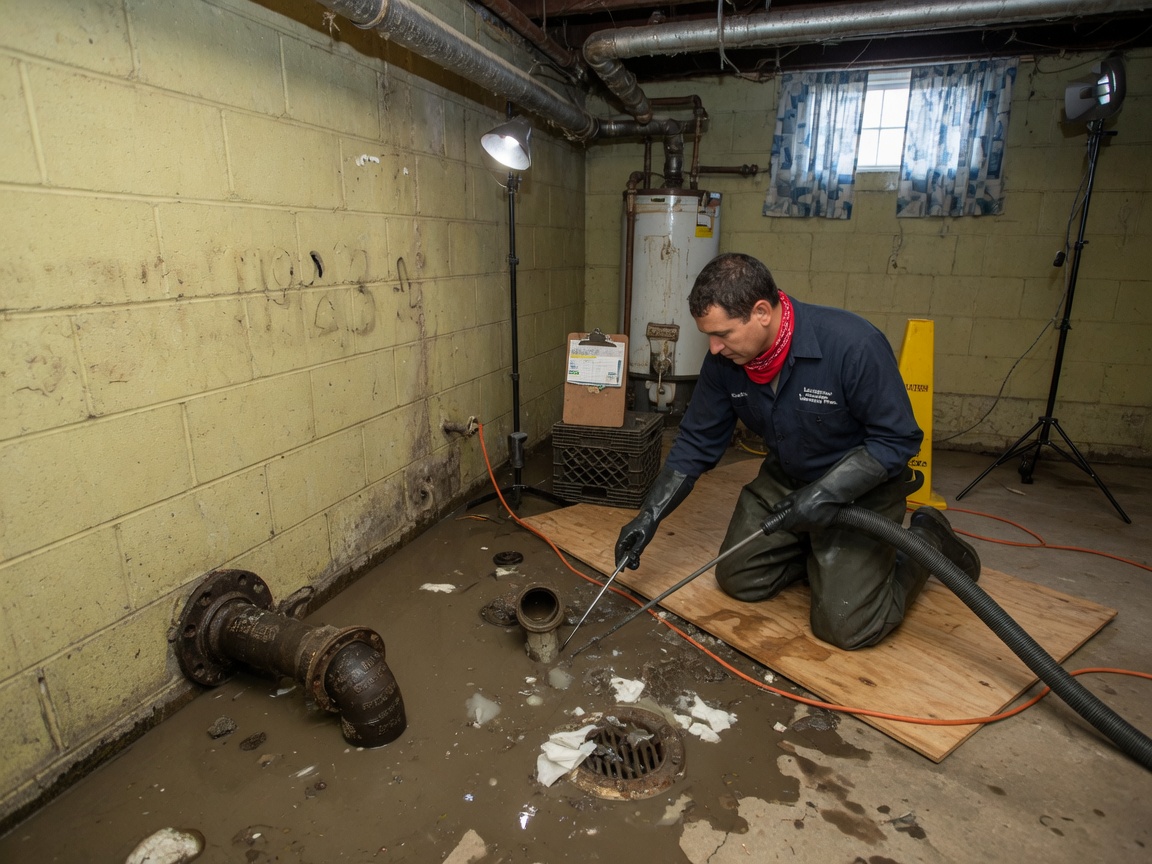
In Lexington homes near older sewer lines, handling sewage backup requires immediate isolation of the affected area followed by professional extraction and disinfection rather than homeowner attempts, because raw waste can penetrate porous subfloors common in mid-century builds throughout Fayette County.
Recognizing Backup Indicators in Older Homes
Lexington neighborhoods such as Chevy Chase and Southland contain many homes built before 1970 that still connect to clay sewer pipes susceptible to cracking and root penetration from nearby mature trees. Homeowners often notice slow drains in lower levels, gurgling toilets, or foul odors near floor drains after heavy rainfall, which the humid subtropical climate exacerbates by keeping soil saturated. In areas like Beaumont and Hamburg, where newer subdivisions sit adjacent to older infrastructure, backups can travel through shared laterals. Early detection matters because standing sewage can migrate into wall cavities within hours during summer humidity spikes. Checking cleanouts in basements or crawl spaces reveals whether the issue originates from city mains or private lines running toward landmarks such as the Lexington Cemetery.
Why Older Sewer Lines Increase Risk
Clay and cast-iron lines installed decades ago in Downtown and Southland properties degrade faster than modern PVC, allowing tree roots from yards near Keeneland or the Kentucky Horse Park to infiltrate joints. Fayette County's rolling terrain directs stormwater toward these aging networks, overwhelming them during spring thaws or summer storms that also affect nearby Frankfort and Louisville corridors. Mild winters keep groundwater levels higher than in colder regions, softening pipe bedding and accelerating shifts. These conditions turn a minor clog into a full backup that saturates slab foundations common in local ranch-style homes. Contaminants then interact with the area's high humidity, promoting rapid bacterial growth that standard household cleaners cannot neutralize.
Immediate Containment Steps
Shut off water at the main valve and avoid using any drains once backup signs appear. Evacuate pets and occupants from lower levels, then ventilate upper floors without spreading air through HVAC systems that serve many Lexington homes. Place barriers around affected zones using plastic sheeting and tape to limit tracking into unaffected areas like kitchens or hallways. Document visible damage with photos before any cleanup begins, noting water levels and affected materials such as hardwood in Southland bungalows. Contacting professionals equipped for Sewage Cleanup Services ensures proper PPE and containment protocols that protect both residents and the property structure.
Professional Assessment and Extraction
Technicians evaluate whether the backup stems from private laterals or Fayette County mains, which dictates notification requirements and restoration scope. They deploy truck-mounted extraction units to remove standing waste before moisture migrates into subflooring or insulation, a common issue in humid summers. Air movers and dehumidifiers follow to dry cavities, with moisture meters confirming levels below 15 percent in affected wood and drywall. Homes near Ashland Estate or Rupp Arena often feature finished basements where hidden saturation behind paneling requires targeted demolition. This measured approach prevents secondary issues like mold that can develop within 48 hours in Lexington's climate.
Drying, Disinfection, and Restoration Factors
After extraction, antimicrobial application targets porous surfaces that absorb sewage in older Lexington construction. Structural drying focuses on cavities under cabinets and behind baseboards where humidity lingers. Property owners in areas like Chevy Chase benefit from monitoring equipment left in place for several days to track progress. Related costs vary based on square footage impacted and whether carpet padding or hardwood requires removal, details covered in Average Cost Ranges for Water Damage Restoration in Lexington. Final clearance testing confirms safe reentry before reconstruction begins on affected walls or floors.
Prevention Measures for Future Protection
Schedule annual sewer camera inspections for homes in Southland and Hamburg where root pressure remains high. Consider backflow valves on main lines to reduce city surcharge risks during storms. Maintain clear gutters and downspouts to direct water away from foundations, especially around properties near the Kentucky Horse Park. These steps complement broader seasonal checks outlined in Spring Maintenance Checklist to Reduce Water Damage Risk in Lexington. Regular line maintenance helps older Fayette County homes avoid repeat events that disrupt daily life.