
2026-09-04 · Evan Voss
Local Insurance Tips for Water Damage Claims in Fayette County
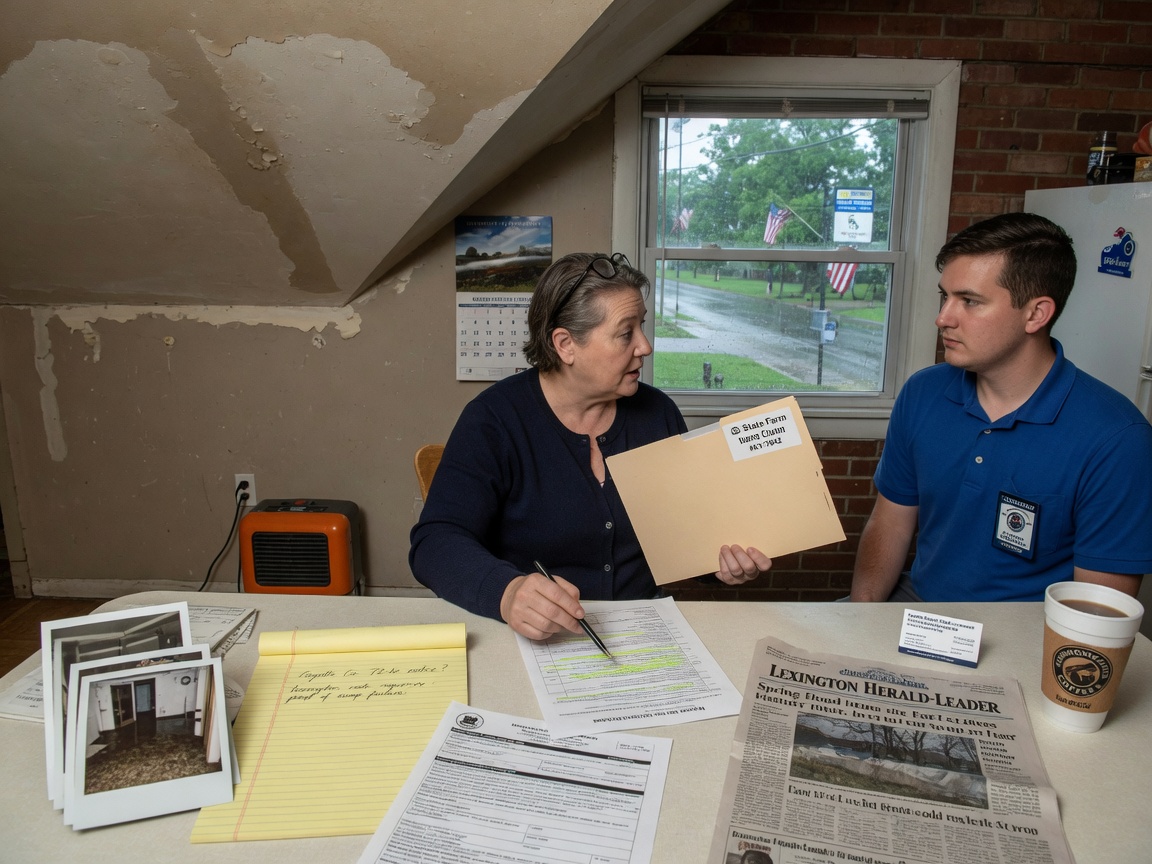
Fayette County residents dealing with water damage claims should start by documenting every detail immediately, including photos of affected areas in neighborhoods like Southland or Chevy Chase, before any cleanup begins. This approach strengthens your position with insurers when dealing with issues common to Lexington's mix of historic homes and newer subdivisions.
Preparing Your Claim Documentation
Thorough records form the foundation of successful claims in Fayette County. Begin with timestamped photos and videos of all affected zones, noting water sources such as burst pipes in older Downtown properties or intrusion from heavy summer rains near the Kentucky Horse Park. Include receipts for any emergency mitigation and a written timeline of events. Homeowners in areas like Hamburg or Beaumont often overlook moisture in crawl spaces, which the humid subtropical climate with hot summers and mild winters can prolong. List every impacted item with model numbers and purchase dates. Attach police or fire reports if applicable. This level of detail reduces back-and-forth with adjusters and supports fair valuation of losses in Lexington's varied housing stock built across decades.
Understanding Policy Language for Local Conditions
Review your homeowners policy for specific water damage exclusions common in Fayette County. Many policies cover sudden events like appliance failures but exclude gradual leaks or flood-related issues near the Lexington Cemetery or Ashland Estate. Note coverage limits for structural drying services and dehumidification services that become essential after humid summers. Check for separate riders addressing storm damage, which frequently affects South Lexington properties. Compare your declarations page against recent claims data from nearby Frankfort or Louisville to gauge typical settlement ranges. Understanding these distinctions prevents surprises when adjusters assess damage in older Chevy Chase homes versus newer Beaumont builds.
Coordinating with Adjusters on Site
Schedule the adjuster visit during daylight hours and walk through every affected room with them, referencing local terrain factors like Fayette County's rolling landscape that can direct water toward foundations. Point out hidden moisture behind walls in Rupp Arena-adjacent properties or at the Kentucky Horse Park periphery. Provide your prepared documentation packet upfront. In mild winter conditions, remind them that drying times extend due to humidity levels, affecting timelines for water damage restoration. Keep a written log of all conversations, including dates and names. Homeowners near Keeneland often see faster resolutions when they supply comparable repair estimates from licensed local contractors.
Avoiding Common Claim Denials in Lexington
Denials frequently stem from delayed reporting or incomplete drying records, issues amplified by Lexington's climate patterns. Act within 24-48 hours of discovery to prevent secondary mold growth in humid summers. Avoid DIY fixes that alter evidence before inspection. For storm-related events, reference the post at Dealing with Storm-Related Water Intrusion in South Lexington for neighborhood-specific guidance. Maintain copies of all correspondence. Properties in older sections of Downtown require extra attention to plumbing age when disputing gradual damage exclusions.
Next Steps After Approval
Once approved, prioritize water damage cleanup through Water Damage Restoration to limit secondary issues. Track all expenses against the approved scope, including any needed Average Cost Ranges for Water Damage Restoration in Lexington. Schedule follow-up inspections to confirm complete drying, especially in multi-story homes common around the University of Kentucky vicinity. Retain records for at least three years in case of supplemental claims. This systematic approach helps Fayette County property owners recover fully while minimizing out-of-pocket costs.